reliable baked goods container for bakeries
Comprehensive Guide to Baking Packaging: Finding the Perfect Containers for Freshness and Presentation
Quality packaging is critical for maintaining the quality of baked goods while elevating their overall appearance. Beyond preserving freshness, it also draws in customers and reinforces brand identity. Various materials and design elements play an important role in this process. Knowing how to choose the appropriate containers can significantly impact a baker's success. What elements should bakers examine to confirm their packaging fulfills both utilitarian and decorative demands?
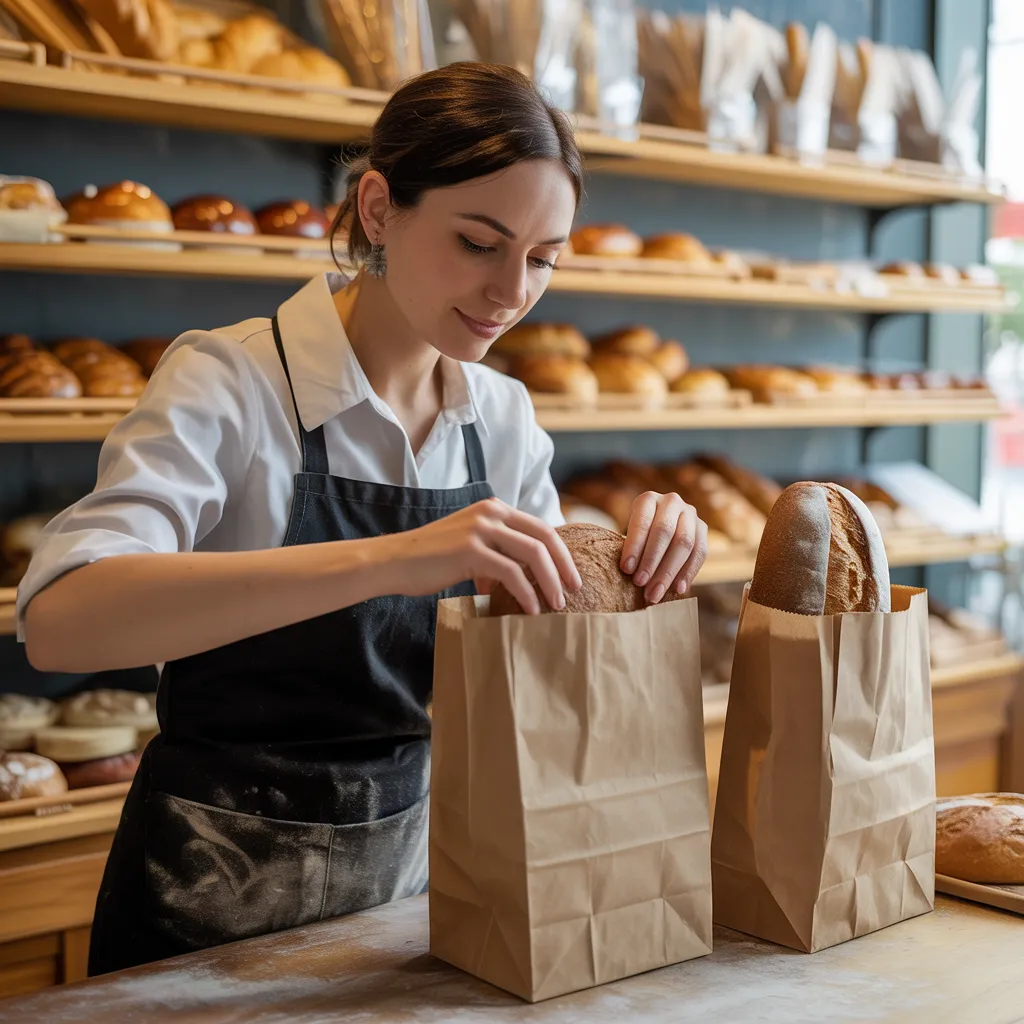
The Significance of Baking Packaging for Freshness and Attractiveness
When examining the effectiveness of baked items, packaging serves a vital function in sustaining freshness and boosting aesthetic appeal. The right packaging not only maintains the quality and flavor of bakery products but also attracts customers through its design. Freshness is essential; inadequate packaging can lead to staleness or spoilage, reducing the product's overall appeal.
Furthermore, appealing packaging can communicate brand values and stir emotions, ultimately affecting purchase behavior. Color, form, and texture each play a role in the impression of quality. A carefully crafted package can function as a strategic marketing resource, showcasing the attention and artistry behind the bakery products.
In a competitive market, strategic packaging sets a product apart, enhancing its visibility on store shelves. Ultimately, the importance of packaging extends beyond mere functionality; it represents an essential element of the entire experience for shoppers, making certain that baked goods are both fresh and visually enticing.
Types of Packaging Options to Keep Your Treats Fresh
With respect to preserving the freshness of pastries and breads, the choice of storage materials plays a vital role. Airtight plastic containers deliver secure seals that lock in moisture, while different paper-based packaging solutions ensure airflow and a traditional appearance. Knowing the advantages of each option can help bakers choose wisely for maximum freshness.
Plastic Containers Benefits
Plastic storage containers provide an effective option for preserving the freshness of baked goods. Their airtight seals effectively protect against moisture and air exposure, which can lead to spoilage. Sturdy yet lightweight, plastic containers are convenient to move and manage, making them well-suited to both home bakers and commercial operations. They come in various shapes and sizes, accommodating everything from cookies to cakes. Furthermore, several plastic varieties are see-through, allowing for attractive presentation while enabling customers to view the contents easily. Reusability is another significant benefit, as they are easily cleaned and used again. In addition, plastic containers are generally affordable, making them suitable for budget-conscious bakers while ensuring that products remain fresh and appealing.
Paper Packaging Alternatives
A wide variety of paper packaging choices offer effective solutions for preserving the freshness of pastries and confections. Greaseproof paper is popular for its ability to resist grease and liquids, preserving the quality of items like cookies and pastries. Wax-coated paper presents equivalent protection, establishing a barrier against air and moisture, while also offering a timeless appeal. For bulkier items, windowed paper bags provide visibility while shielding contents from outside factors. Additionally, kraft boxes are strong and sustainable, making them an environmentally conscious selection for baked desserts. Each alternative not only secures freshness but also enhances aesthetics, encouraging customers to savor the treats inside. At the end of the day, picking the appropriate paper packaging can enhance both visual appeal and freshness.
Creative Tips to Make Your Treats Stand Out
Crafting a striking visual concept for bakery packaging can considerably increase the visual appeal of treats. First, color is a key factor; vibrant hues can draw the eye while aligning with the overall theme and taste of the confections. Using contrasting colors for the background and text promotes legibility and captures attention.
Integrating creative shapes and materials can additionally make packaging shine. Windowed designs or custom die-cut boxes enable consumers to glimpse the items inside, increasing desirability.
Typography must not be neglected; picking typographic elements that reflect the organization's essence can significantly shape audience impression.
Additionally, incorporating decorative elements including stamps, ribbons, or stickers adds a unique flair, elevating the overall aesthetic. These styling methods not only elevate the visual attractiveness of the product but also express quality and care, cultivating a relationship with future purchasers.
How to Choose the Perfect Box for Your Treats
Picking the right container for bakery items requires thoughtful attention to a few important factors. First, the dimensions of the box should align with the quantity and type of items being enclosed. A secure fit reduces shifting, which can lead to breakage. Next, material selection is vital; durable materials like cardboard or plastic provide protection while maintaining freshness.
The box's design also matters, as it needs to enhance the visual appeal of the items inside. See-through panels can highlight beautifully crafted items, while vibrant colors can attract attention. Additionally, consider the box's simplicity of assembly and use; uncomplicated designs support faster packing and handling.
Lastly, verify the box is food-grade, as safety is paramount in food packaging. Through balancing material, size, functionality, and design, bakers can choose the perfect box that safeguards their baked goods while displaying them attractively.
Eco-Friendly Baking Packaging Options for Conscious Bakers
With bakers increasingly focusing on sustainability, eco-friendly packaging options are becoming essential. Sustainable materials, such as recycled paper and plant-based plastics, are gaining traction among conscious bakers. Additionally, compostable packaging solutions offer an environmentally responsible way to present baked goods while minimizing waste.
Eco-Friendly Material Selections
What truly determines the sustainability of a baking packaging choice? It copyrights on the materials used and their lifecycle impact. Mindful bakers are increasingly looking for packaging made from renewable materials, including recycled paper, bamboo, and bioplastics. These materials not only reduce reliance on fossil fuels but also minimize waste. Furthermore, eco-friendly packaging ought to be lightweight to cut transportation emissions and built for reuse or recycling. Bakers could explore locally sourced packaging options, which bolster local economies and help shrink carbon footprints. At its core, the objective is to harmonize usability with ecological responsibility, guaranteeing that packaging maintains freshness while protecting the planet. Making such deliberate choices connects with green-minded consumers, boosting brand loyalty and recognition.
Compostable Packaging Solutions
As many bakers strive for sustainable operations, compostable packaging options emerge as a sensible selection for those committed to sustainability. Such materials, frequently sourced from natural plant-based compounds, degrade naturally while improving soil quality, positioning them as excellent choices for eco-aware bakers. Options include compostable bags, containers, and wraps that maintain freshness while minimizing environmental impact. Furthermore, adopting this type of packaging can strengthen a brand's reputation, attracting customers who value sustainable goods. Many suppliers offer a range of designs, enabling bakers to select attractive designs that review this content reflect their unique brand. Through selecting compostable packaging, bakers help diminish landfill accumulation, fostering beneficial change throughout their local communities and the wider world.
Adapting Packaging to Express Your Brand Identity
Developing packaging that reflects a brand's identity is important for making an impact in a highly competitive industry. Tailored packaging not only improves the overall appearance of baked goods but also expresses a company's principles and history. From visual aesthetics to physical construction, every aspect plays a role in a consistent brand presence. For example, a bakery prioritizing green practices can utilize sustainable materials paired with clean designs, while a gourmet brand might opt for opulent finishes and distinguished typography.
Incorporating unique branding elements, such as logos and taglines, enhances brand awareness and cultivates customer loyalty. Furthermore, limited-edition packaging can create excitement and encourage repeat purchases. By aligning packaging choices with their overall brand strategy, bakery owners can foster a memorable customer experience that goes beyond the product itself, ultimately driving sales and enhancing brand reputation in a competitive industry.
Frequently Asked Questions
How Should I Correctly Store Baked Goods Prior to Packaging?
To effectively store baked goods prior to packaging, it is recommended to cool them completely on a cooling rack, and subsequently place them in airtight storage containers or wrap them tightly in cling film to preserve freshness and avoid moisture loss.
Can I Reuse Packaging From Store-Bought Baked Goods?
Absolutely, one can repurpose packaging from bakery-purchased items, given that it is clean and undamaged. Nevertheless, adequate sanitation is necessary to prevent contamination and preserve the freshness of the freshly baked goods.
Which Packaging Size Works Best for Various Baked Goods?
The ideal packaging sizes range: compact boxes work well for cookies, mid-sized containers are suitable for cupcakes, while bigger boxes are designed for cakes. Ensuring snug fits prevents damage and maintains freshness, elevating the visual appeal of each baked treat.
What Steps Can I Take to Make Sure My Packaging Is Food-Safe?
To guarantee food-safe packaging, individuals should opt for materials certified by governing regulatory agencies, eliminate the use of toxic chemicals, and ensure that packaging containers remain non-toxic. Furthermore, employing correct sealing procedures and ensuring cleanliness throughout the handling process greatly strengthens packaging safety.
What Are the Expenses Involved With Custom Packaging Options?
The expenses related to personalized packaging solutions vary considerably based on design complexity, order quantity, and materials. Businesses often face potential shipping expenses, production costs, and initial setup fees, impacting overall budget considerations for their packaging needs.